

Ideal customer and beachhead
Define the buyer, urgent problem, buying group, use case and first segment where the offer has a credible right to win.
Go-to-market strategy consulting
Define the customer, commercial model, channel, demand plan and delivery system before launch activity becomes expensive.
Direct answer
A go-to-market strategy consultant determines how a specific product or service should reach and convert a defined customer. The work aligns market evidence, positioning, pricing, channel, sales, demand, delivery and measurement into one accountable commercial plan.
 GTM / 02
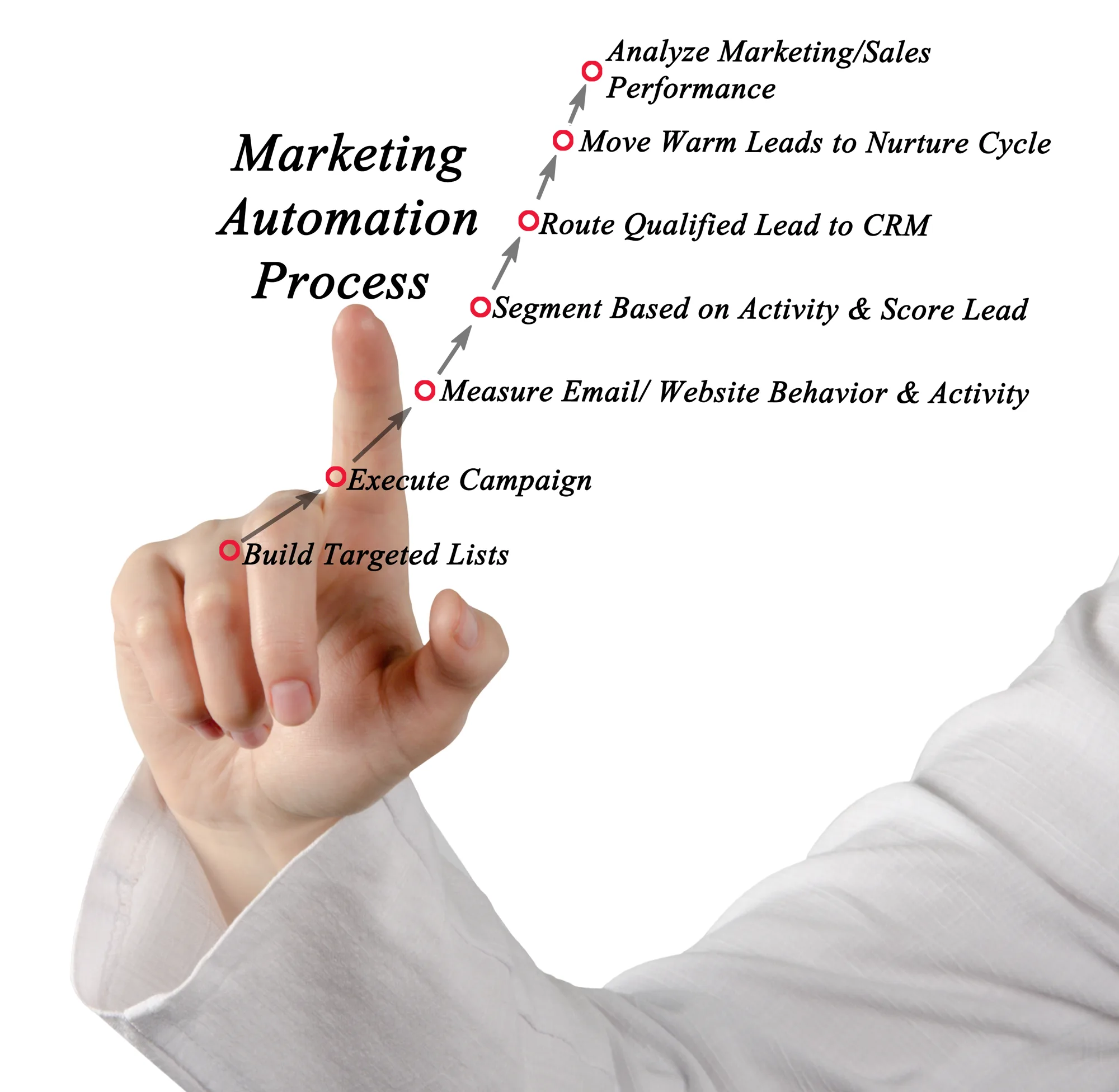
 Demand generation works when targeting, campaign execution, lead routing, sales ownership and performance evidence operate as one commercial loop.
Who this is for
Go-to-market work is most useful when the answer affects product, finance, sales, marketing, operations and capital at the same time.
You need a defined first customer, a commercial offer and a launch pathway before material spend is committed.
The current route to market cannot simply be copied into a different buyer, industry or geographic context.
Activity is high, but pipeline, conversion, channel ownership or the economic case remains unclear.
The functions are making separate decisions and need one commercial plan with shared measures.
What the engagement covers
Every component is tested against the same target customer, conversion mechanism and economic outcome.
Define the buyer, urgent problem, buying group, use case and first segment where the offer has a credible right to win.
Translate technical or operational capability into a clear commercial promise supported by evidence.
Test willingness to pay, margin, delivery cost, partner economics and the commercial logic behind the offer.
Choose the direct, partner, distributor, retail, digital or hybrid path that fits how the customer actually buys.
Connect messages, proof, conversion points, sales roles and launch activity to a measurable pipeline outcome.
Align onboarding, fulfilment, service, technology, compliance and operating ownership with the market promise.
How the work proceeds
The process starts with the decision that needs to be made and builds only the evidence required to make it responsibly.
Set the launch objective, constraints, investment at risk and the evidence leaders need before approving the next stage.
Examine customer need, buying behaviour, alternatives, price logic, channel access and delivery requirements.
Bring the offer, route, sales motion, demand plan, operating model and measures into one execution pathway.
Build evidence through a pilot, launch sprint or contained activation before a national or capital-heavy commitment.
Decision clarity
The difference is not the number of slides. It is whether each commercial choice is specific, connected and measurable.
| Decision | Common weak approach | Decision-ready approach |
|---|---|---|
| Target market | A broad market category and a long list of possible customers. | A named beachhead segment, buying group, urgent use case and reason to act. |
| Channel | Use every available channel and hope activity creates reach. | Choose the route that matches buying behaviour, economics and service responsibility. |
| Launch plan | A calendar of marketing tasks disconnected from product and delivery decisions. | A staged commercial plan linking offer, demand, sales, delivery and investment gates. |
| Success measure | Traffic, awareness or partner sign-ups without revenue evidence. | Customer, conversion, margin, pipeline and operating measures tied to the next decision. |
Frequently asked
Clear answers for decision-makers evaluating the next step.
A go-to-market strategy is the commercial plan for taking a specific product or service to a defined customer. It aligns the target segment, value proposition, pricing, route to market, sales motion, demand plan and measures of success.
A go-to-market strategy consultant tests the customer and market assumptions, defines how the offer will reach and convert buyers, and turns the result into an accountable launch plan with clear owners, evidence and decision gates.
No. Marketing strategy focuses on awareness, demand and communication. Go-to-market strategy is broader. It also covers the target customer, offer, pricing, sales model, distribution, service delivery, conversion and commercial measurement.
Review it before launching a new offer, entering a new segment or country, changing the channel model, committing material launch spend, or when pipeline and conversion no longer support the growth plan.
The first step is usually a contained diagnostic that defines the commercial decision, tests the critical assumptions and identifies the evidence required before a larger launch commitment.
Contained first phase
Begin with a Go-to-Market Diagnostic that clarifies the customer, offer, route, critical assumptions and next investment gate.
Request a GTM diagnostic